Answer: Butterfly valves are widely used in fire protection systems due to their reliability, quick operation, and ability to control water flow in high-pressure emergency scenarios. These systems—such as sprinklers, standpipes, and hydrants—are designed to deliver water rapidly to extinguish fires in residential, commercial, and industrial settings.
In fire protection, butterfly valves are a reliable, cost-effective choice for controlling and isolating water flow, ensuring rapid and efficient fire suppression. Their quick operation, high flow capacity, and compliance with safety standards (e.g., UL/FM) make them ideal for sprinkler systems, hydrants, and standpipes. While standard resilient-seated models meet most needs, high-performance versions handle specialized high-pressure applications. Properly specified and maintained, butterfly valves enhance the safety and responsiveness of fire protection systems across diverse settings.
Here’s how butterfly valves are applied in fire protection:
Role in Fire Protection
Fire protection systems rely on fast, dependable water delivery, often under high pressure, to combat fires effectively. Butterfly valves contribute in the following ways:
- Flow Control:
- Butterfly valves regulate water flow through piping networks, adjusting the volume delivered to sprinkler heads, hose lines, or hydrants. They can throttle flow during testing or maintenance while ensuring full capacity during emergencies.
- Isolation:
- They serve as shutoff valves to isolate sections of the fire protection system—such as a specific floor, zone, or branch—for repairs, inspections, or upgrades without disrupting the entire network.
- On/Off Operation:
- In emergencies, butterfly valves provide rapid on/off control to activate or stop water flow. Their quarter-turn operation ensures quick response, critical when seconds matter in fire suppression.
- System Testing and Maintenance:
- During routine testing (e.g., per NFPA standards), butterfly valves allow controlled water flow to verify system performance without fully activating sprinklers or flooding areas.
Advantages in Fire Protection
- Quick Operation: The 90-degree turn from fully closed to fully open enables immediate water release, essential for fire response.
- High Flow Capacity: When fully open, they offer minimal resistance, ensuring maximum water delivery to extinguish fires efficiently.
- Compact Design: Their slim, lightweight profile fits into tight spaces, such as mechanical rooms, risers, or underground vaults.
- Cost-Effectiveness: Compared to gate valves (a traditional choice in fire protection), butterfly valves are more economical, especially in larger diameters.
- Tamper Resistance: Often equipped with supervisory switches or locks, they prevent unauthorized operation, a key safety feature in fire systems.
Specific Applications
- Wet Pipe Sprinkler Systems: Control water flow from the main supply to sprinkler piping, serving as the main shutoff or zone control valve.
- Dry Pipe Systems: Isolate pressurized air or nitrogen in the piping until activated, then allow water to flood the system during a fire.
- Deluge Systems: Regulate water flow in open-nozzle systems used for high-hazard areas like chemical plants or aircraft hangars.
- Fire Hydrants: Manage water supply from municipal mains to hydrants, ensuring high-pressure delivery for firefighting hoses.
- Standpipes: Control water distribution in multi-story buildings, providing access points for manual firefighting.
Design Considerations for Fire Protection
Fire protection systems demand valves that meet strict standards (e.g., NFPA 13, UL, FM) and handle high-pressure water reliably:
- Materials:
- Body: Ductile iron, cast iron, or stainless steel for durability and corrosion resistance in water-filled systems.
- Disc: Bronze, stainless steel, or coated materials to resist wear and ensure smooth operation.
- Seat: Resilient elastomers (e.g., EPDM, Buna-N) provide tight sealing up to 200-300 psi, suitable for most fire systems.
- Pressure Ratings: Typically ANSI Class 125/150 (up to 285 psi), with some high-performance models rated for Class 300 (740 psi) in high-pressure setups.
- Valve Type:
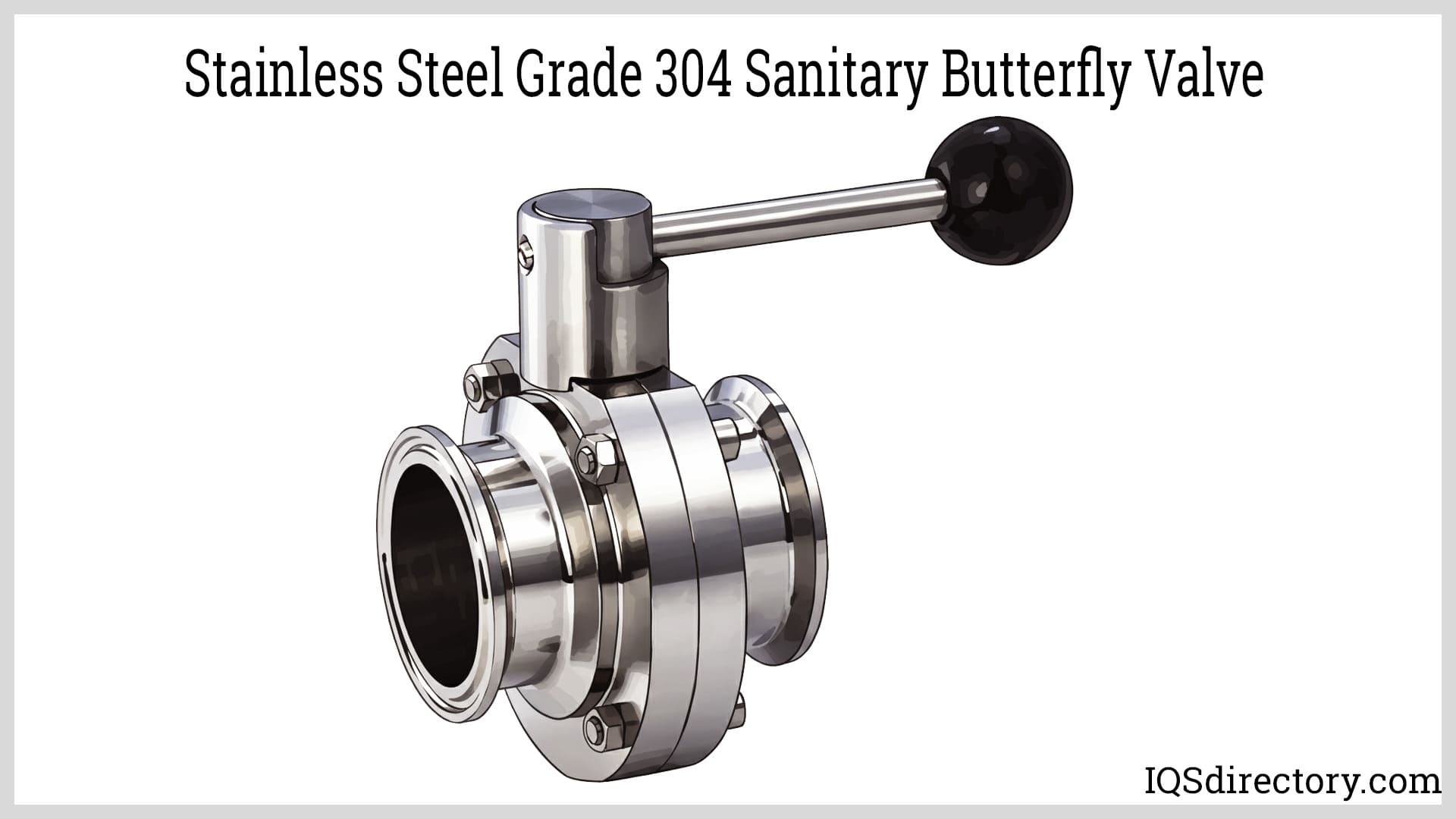
- Standard Butterfly Valves: Resilient-seated models suffice for most fire protection applications below 300 psi.
- High-Performance Butterfly Valves: Used in rare high-pressure or high-temperature scenarios (e.g., industrial fire systems).
- Approvals: Must be UL-listed and FM-approved, ensuring compliance with fire safety standards for reliability and performance.
- Supervisory Features: Often include tamper switches connected to alarms, notifying building management or fire departments if the valve is closed or tampered with.
- Gear Operators: For larger valves (e.g., 4” and up), handwheels or gear actuators ensure easy operation under pressure.
Limitations
- Throttling Precision: Less suited for fine flow adjustments compared to globe valves, though this is rarely a concern in fire systems focused on full flow.
- Cavitation Risk: High-pressure drops during partial opening can cause cavitation, potentially damaging the valve in poorly designed systems.
- Temperature Limits: Resilient seats degrade above 200-250°F (93-121°C), limiting use in steam-based or extreme heat scenarios unless metal-seated valves are specified.
- Sediment Sensitivity: Debris in water can wear seals or jam the disc, requiring clean water or regular maintenance.
Adaptations for Fire Protection
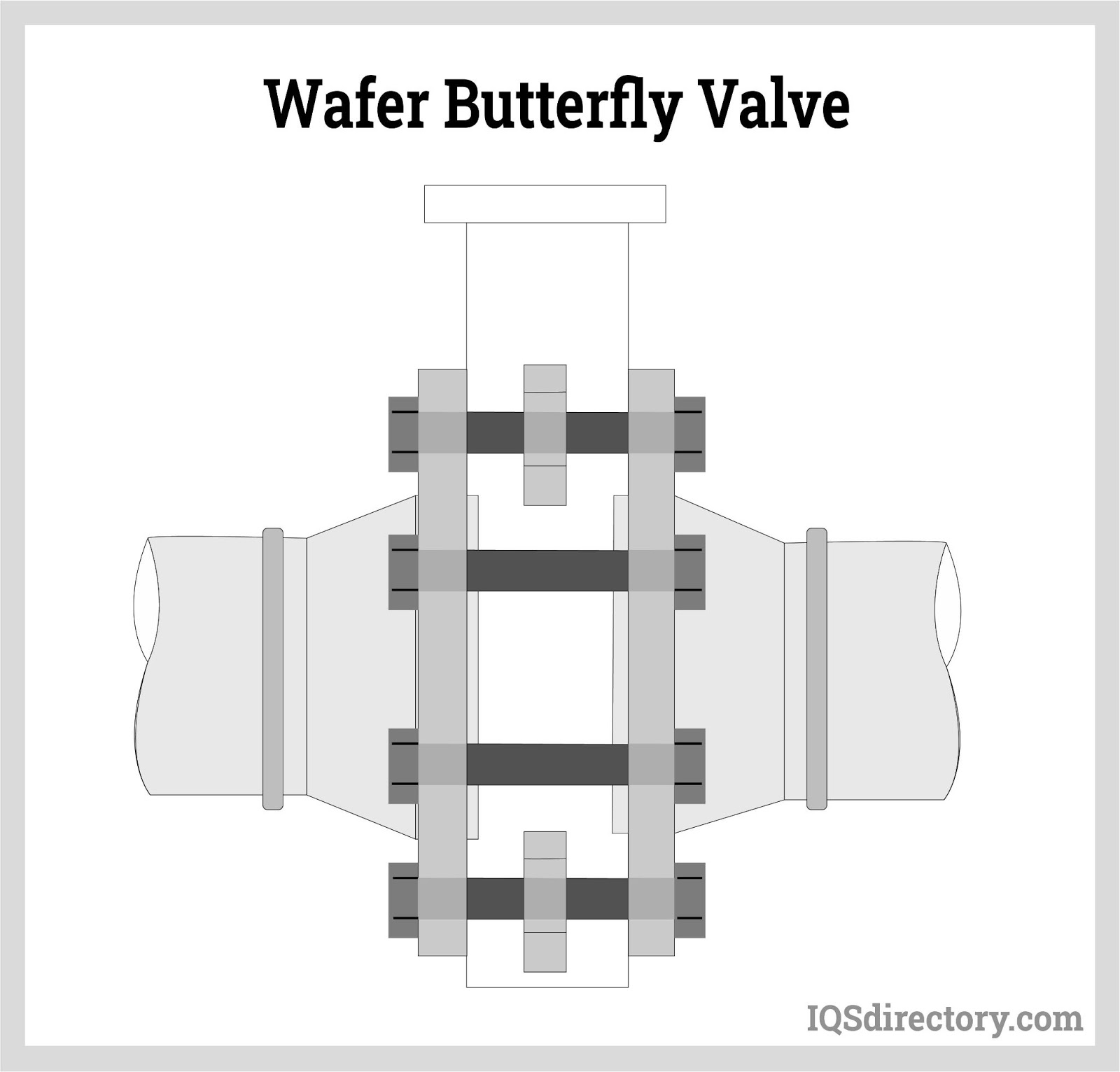
- Grooved or Flanged Ends: Facilitate quick installation in fire piping, common in pre-assembled systems.
- Weatherproofing: Outdoor valves (e.g., for hydrants) may include corrosion-resistant coatings or enclosures.
- Visual Indicators: Position indicators or flags show whether the valve is open or closed, critical for inspections.