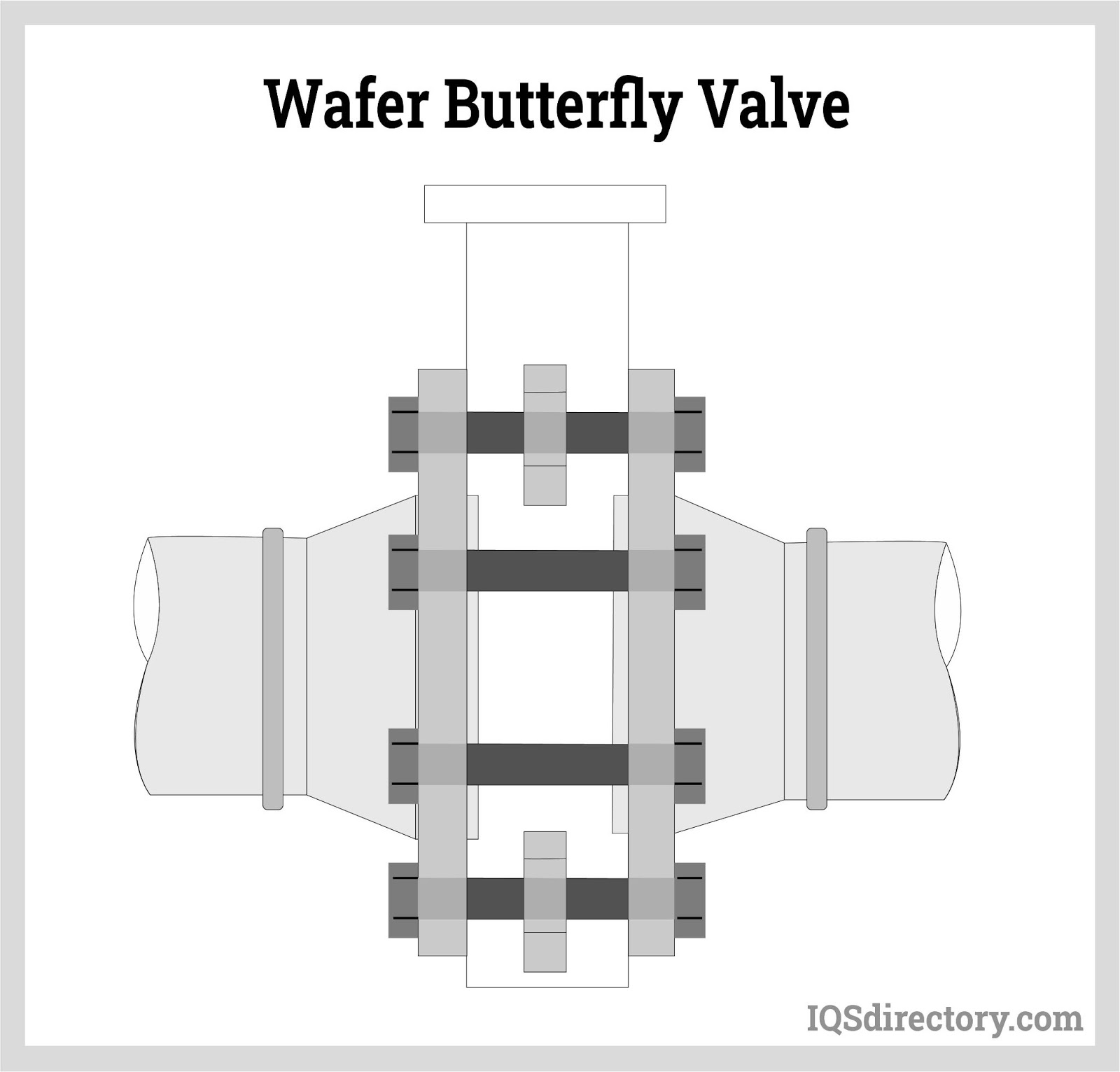
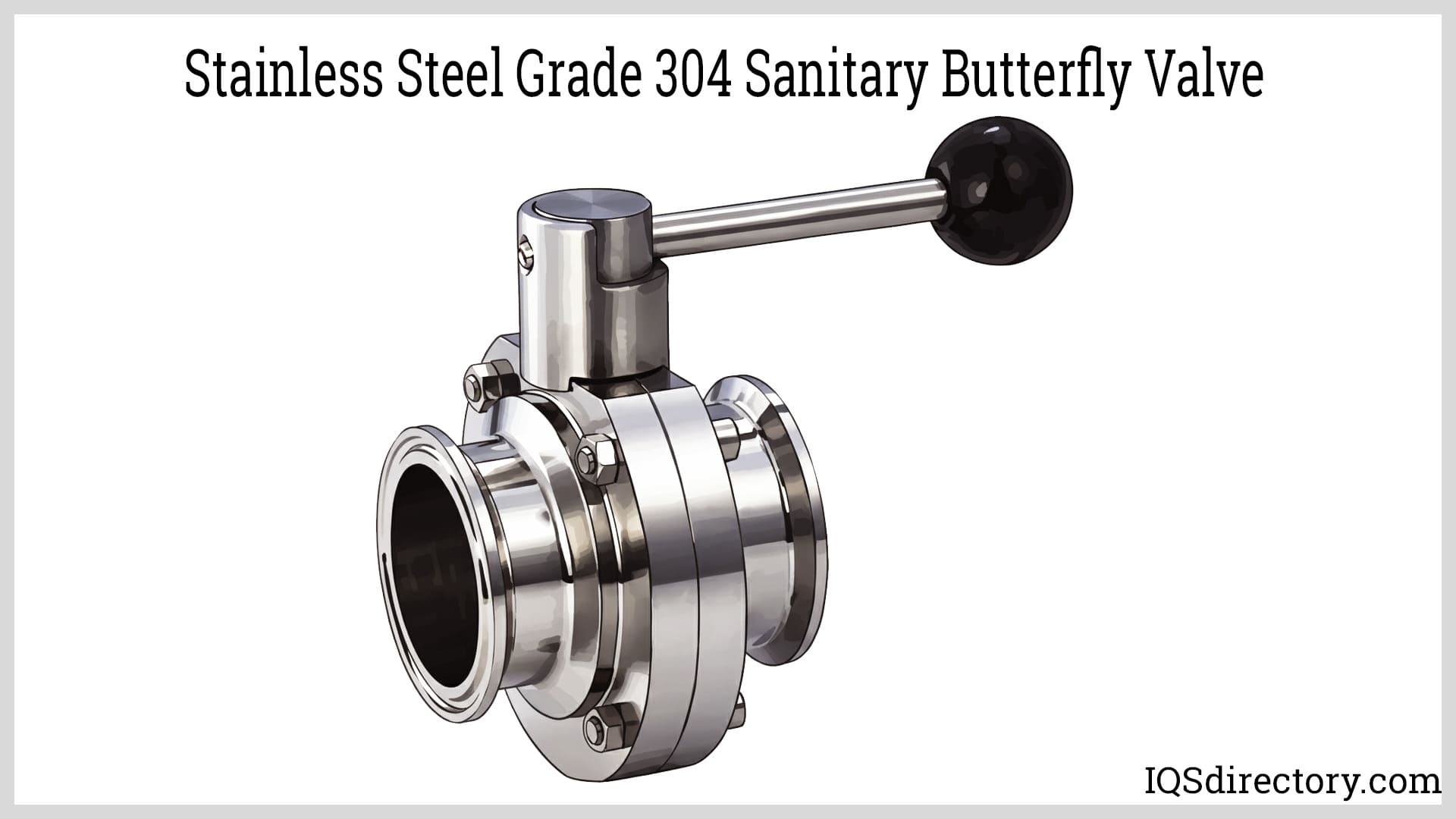
Answer: Butterfly valves are employed in high-temperature water services to regulate and isolate the flow of water at elevated temperatures, typically above 200°F (93°C) and sometimes exceeding 400°F (204°C) or more, depending on the system. These applications are common in industries such as power generation, industrial heating, chemical processing, and district heating systems.
In high-temperature water services, butterfly valves—especially high-performance or triple-offset models—provide a reliable, efficient solution for regulating and isolating hot water flow. Their ability to handle temperatures up to 400°F (204°C) or higher with the right materials and designs makes them ideal for power plants, heating systems, and industrial processes. While resilient-seated valves suit moderate temperatures, metal-seated versions are essential for extreme heat, ensuring durability and safety in demanding applications. Proper selection and maintenance mitigate limitations like cavitation or seat wear, optimizing performance in high-temperature water systems.
Here’s how they are used in such environments:
Role in High-Temperature Water Services
High-temperature water services involve managing hot water or superheated water under pressure for heating, cooling, or process applications. Butterfly valves play key roles in these systems:
- Flow Regulation:
- Butterfly valves control the flow of high-temperature water through pipelines, heat exchangers, or boilers. By adjusting the disc position, they throttle water flow to maintain desired temperatures or heat transfer rates.
- Isolation:
- They serve as shutoff valves to isolate equipment—such as pumps, boilers, or heat exchangers—for maintenance or to redirect flow, ensuring system continuity without cooling the entire network.
- Pressure and Temperature Management:
- Positioned in strategic locations (e.g., downstream of boilers or upstream of sensitive components), butterfly valves manage pressure drops and prevent thermal shock by controlling the introduction of hot water.
- On/Off Control:
- In systems requiring rapid response—like emergency shutdowns in steam condensate lines—they provide quick on/off operation to stop or start flow under high-temperature conditions.
Advantages in High-Temperature Water Services
- High Flow Capacity: When fully open, butterfly valves offer low resistance, enabling efficient flow of hot water with minimal energy loss.
- Compact Design: Their slim, lightweight construction fits into tight spaces, such as boiler rooms or industrial piping networks.
- Quick Operation: The quarter-turn mechanism allows fast adjustments, critical for managing dynamic thermal conditions.
- Cost-Effectiveness: They provide an economical alternative to gate or globe valves for large-diameter, high-temperature applications.
Specific Applications
- Power Generation: Regulate high-temperature water in boiler feed systems, turbine cooling loops, or condensate return lines, where temperatures can reach 300-400°F (149-204°C).
- District Heating: Control hot water distribution in municipal heating networks, often operating at 200-250°F (93-121°C) under pressure.
- Industrial Processes: Manage hot water in heat exchangers or reactors for chemical manufacturing or food processing, where precise temperature control is needed.
- HVAC Systems: Handle hot water in large-scale hydronic heating systems for commercial buildings or campuses.
- Steam Condensate Systems: Isolate or regulate water condensed from steam, which retains significant heat (e.g., 212°F/100°C or higher).
Design Considerations for High-Temperature
High-temperature water services require butterfly valves to withstand thermal stress, pressure, and material degradation:
- Materials:
- Body: Cast iron (for moderate temperatures), stainless steel, or high-temperature alloys (e.g., Inconel) resist thermal expansion and corrosion.
- Disc: Stainless steel or nickel alloys endure heat and maintain structural integrity.
- Seat:
- Resilient Seats: EPDM or Viton for temperatures up to 250-300°F (121-149°C).
- Metal Seats: Stainless steel or graphite-impregnated materials for temperatures above 300°F (149°C), common in high-performance or triple-offset valves.
- Temperature Ratings: Must exceed system conditions—e.g., up to 400°F (204°C) for standard high-performance valves, or 1000°F (538°C) for specialized designs.
- Valve Type:
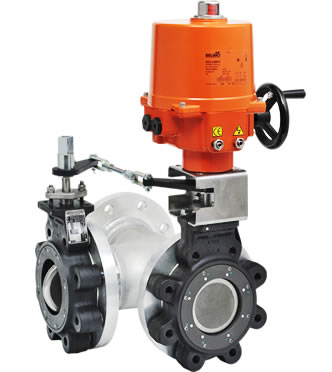
- High-Performance Butterfly Valves: Double-offset designs with resilient or metal seats handle moderate high temperatures (200-400°F).
- Triple-Offset Valves: Metal-to-metal sealing excels at extreme temperatures (400°F+), offering durability and tight shutoff.
- Sealing: Metal seats or fire-safe designs (e.g., with graphite packing) ensure leak-tight performance under thermal expansion and pressure.
- Pressure Ratings: Often paired with high pressure (e.g., ANSI Class 150 or 300), as high-temperature water is typically pressurized to remain liquid (e.g., 50-150 psi or more).
- Actuation: Pneumatic or electric actuators provide precise control and withstand heat when insulated or remotely mounted.
Limitations
- Thermal Expansion: Resilient seats can degrade or lose sealing integrity above 300°F (149°C), limiting standard valves; metal-seated designs are required for higher temperatures.
- Cavitation Risk: High-temperature water under pressure drops can flash to steam, causing cavitation that erodes the disc or seat unless mitigated by proper sizing or anti-cavitation features.
- Throttling Precision: Less precise than globe valves for fine flow control, which may affect systems needing exact temperature regulation.
- Material Fatigue: Prolonged exposure to extreme heat can weaken standard materials, necessitating high-grade alloys or frequent inspection.
Adaptations for High-Temperature
- Metal-Seated Valves: Triple-offset designs with stainless steel or alloy seats handle temperatures up to 1000°F (538°C) in severe-service applications.
- Thermal Insulation: External insulation or heat shields protect actuators and prolong valve life in hot environments.
- Testing: Valves are tested for thermal cycling and pressure integrity (e.g., ASME standards) to ensure performance under high-temperature conditions.