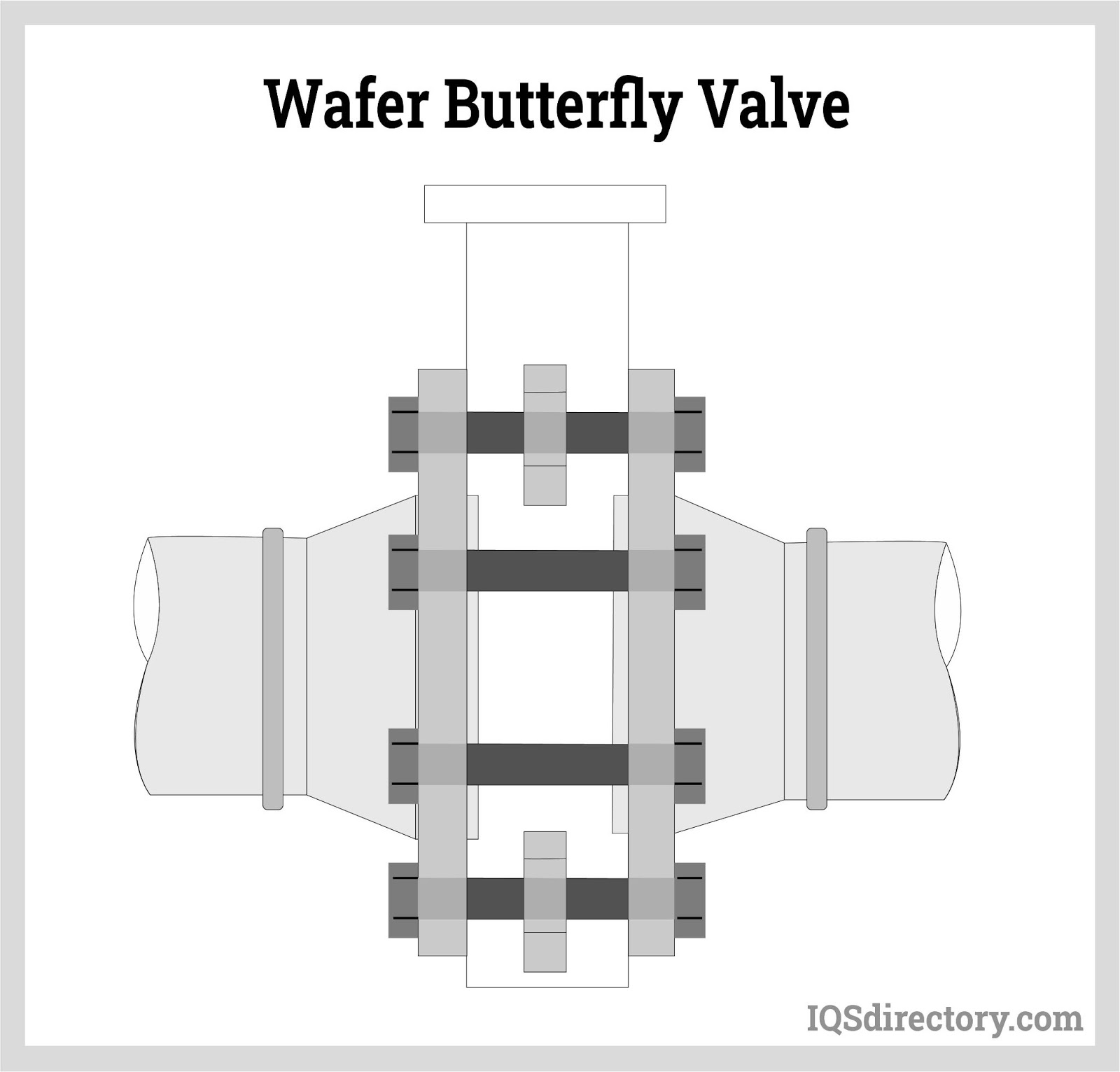
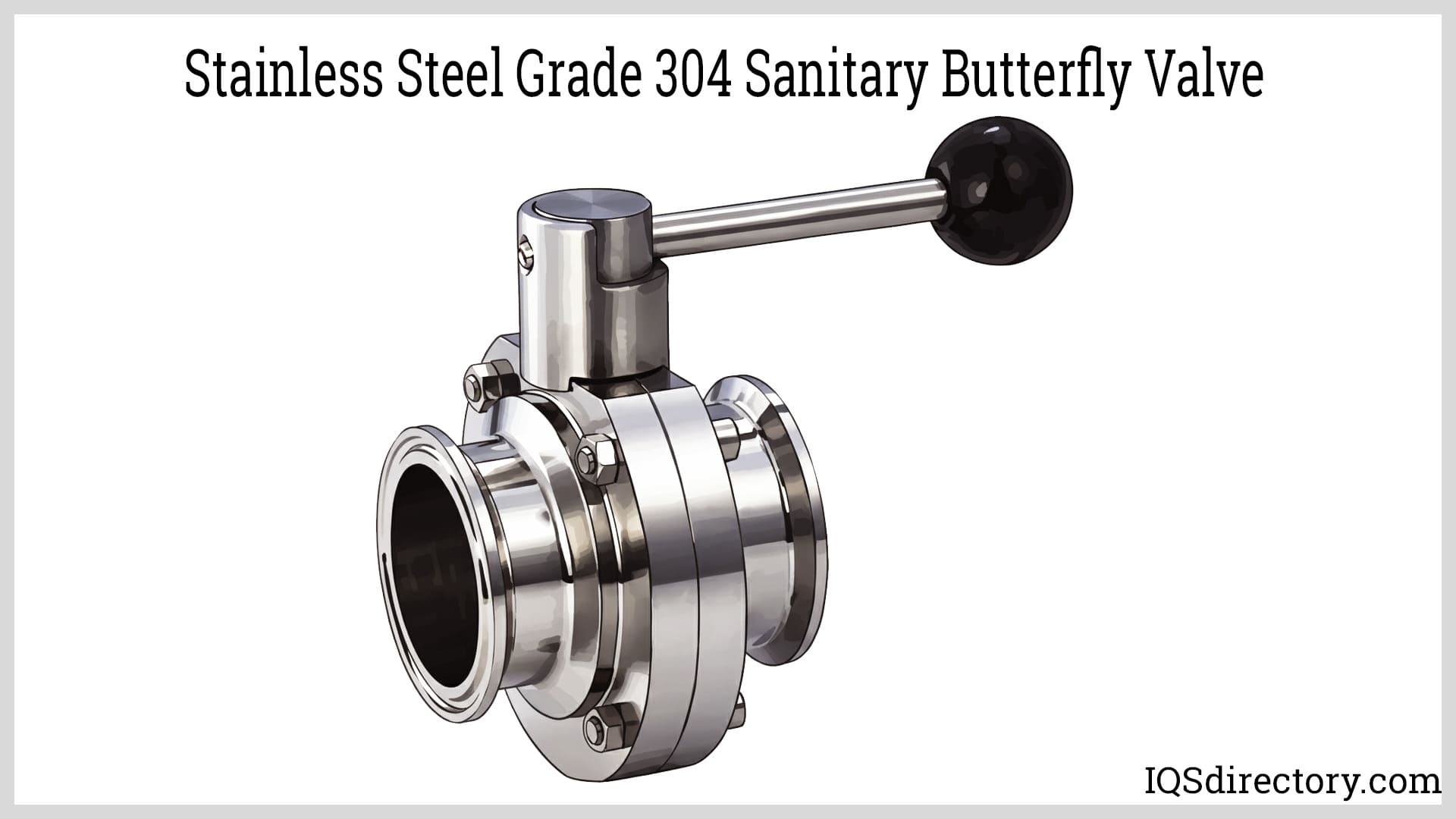
Answer: Butterfly valves are used in steam services to regulate, isolate, and control the flow of steam in systems where high temperatures and pressures are present. These applications span industries like power generation, industrial heating, chemical processing, and HVAC systems. While historically less common than gate or globe valves in steam applications due to sealing and temperature challenges, modern high-performance and triple-offset butterfly valves have made them increasingly viable.
In steam services, butterfly valves—particularly high-performance and triple-offset models—are increasingly valued for their ability to handle high-temperature, high-pressure steam efficiently and cost-effectively. They regulate and isolate steam flow in power plants, heating systems, and industrial processes, with metal-seated designs excelling at temperatures above 400°F (204°C). While they require careful material selection and design to overcome limitations like seat wear or throttling precision, butterfly valves offer a compact, reliable solution for modern steam applications when properly specified.
Here’s how they are employed:
Role in Steam Services
Steam services involve managing saturated or superheated steam for heating, power, or process purposes, often at temperatures exceeding 212°F (100°C) and pressures ranging from low (e.g., 15 psi) to high (e.g., 600 psi or more). Butterfly valves contribute as follows:
- Flow Regulation:
- Butterfly valves throttle steam flow in pipelines or equipment, such as adjusting steam input to turbines, heat exchangers, or industrial dryers. This controls heat delivery or energy output based on system demand.
- Isolation:
- They act as shutoff valves to isolate steam system components—like boilers, condensers, or steam traps—for maintenance or rerouting, minimizing downtime without depressurizing the entire system.
- Pressure and Temperature Control:
- Positioned strategically (e.g., downstream of boilers or upstream of sensitive equipment), they manage steam pressure drops or prevent thermal overload by regulating flow rates.
- On/Off Control:
- In emergency or operational scenarios, butterfly valves provide rapid on/off operation to stop or start steam flow, such as during shutdowns or safety events in power plants.
Advantages in Steam Services
- High Flow Capacity: Fully open butterfly valves offer low resistance, ensuring efficient steam flow with minimal pressure loss, critical for maintaining system efficiency.
- Compact Design: Their slim, lightweight profile fits into tight spaces, like boiler rooms or steam distribution networks.
- Quick Operation: The quarter-turn mechanism enables fast response, vital for dynamic steam systems.
- Cost-Effectiveness: Compared to traditional steam valves like gate or globe types, butterfly valves are more economical, especially in larger diameters.
Specific Applications
- Power Generation: Regulate steam in turbine feed lines, boiler exhausts, or condensate systems, where temperatures can reach 400-1000°F (204-538°C) and pressures vary widely.
- Industrial Heating: Control steam flow in heat exchangers or jacketed vessels for processes like food production or chemical synthesis.
- HVAC Systems: Manage steam in large-scale heating systems (e.g., district heating or hospital sterilizers), typically at 212-350°F (100-177°C).
- Chemical Processing: Adjust steam delivery to reactors or distillation units, ensuring precise temperature control.
- Steam Distribution: Isolate or throttle steam in pipelines supplying multiple endpoints, such as in refineries or manufacturing plants.
Design Considerations for Steam
Steam’s high temperature, pressure, and potential for phase change (e.g., condensation) require specialized butterfly valve designs:
- Materials:
- Body: Carbon steel, stainless steel, or high-temperature alloys (e.g., Inconel) resist thermal stress and corrosion from steam.
- Disc: Stainless steel or alloy materials withstand heat and erosion from high-velocity steam.
- Seat:
- Resilient Seats: Limited to lower-temperature steam (e.g., up to 300°F/149°C) with materials like PTFE or reinforced elastomers.
- Metal Seats: Stainless steel, Stellite, or graphite-impregnated seats handle high temperatures (400°F+/204°C+) and provide durability.
- Temperature Ratings: Must exceed system conditions—e.g., 400°F (204°C) for saturated steam, up to 1000°F (538°C) for superheated steam in triple-offset designs.
- Pressure Ratings: Typically ANSI Class 150 (285 psi), Class 300 (740 psi), or higher, matching steam system requirements.
- Valve Type:
- High-Performance Butterfly Valves: Double-offset with metal or reinforced seats suit moderate steam conditions (200-400°F).
- Triple-Offset Valves: Metal-to-metal sealing excels in high-temperature, high-pressure steam (400°F+/204°C+), offering tight shutoff and reduced wear.
- Sealing: Metal seats or fire-safe designs (e.g., with graphite packing) ensure leak-tight performance under thermal expansion and pressure cycling.
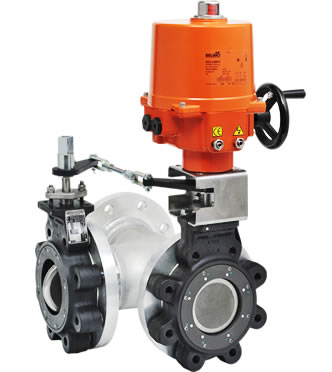
- Actuation: Pneumatic or electric actuators provide precise control and withstand heat when paired with insulation or remote mounting.
Limitations
- Resilient Seat Limits: Standard butterfly valves with rubber or PTFE seats fail above 300-350°F (149-177°C), restricting their use to low-temperature steam unless upgraded to metal seats.
- Throttling Precision: Less precise than globe valves for fine steam flow control, potentially affecting systems needing exact regulation.
- Erosion and Wear: High-velocity steam can erode soft seats or even metal components over time, requiring robust materials or periodic maintenance.
- Condensation Issues: In partially open positions, steam may condense, leading to water hammer or seat damage unless managed with proper drainage or valve design.
Adaptations for Steam
- Triple-Offset Design: Reduces seat wear by minimizing contact during operation and provides bubble-tight shutoff, ideal for high-temperature steam.
- Metal Seats: Enhance durability and sealing in extreme conditions, often paired with Stellite or other hard-facing materials.
- Thermal Insulation: Protects actuators and extends valve life in hot steam environments.
- Testing: Valves undergo rigorous pressure and temperature cycling tests (e.g., ASME B16.34) to ensure reliability.